Reading for Meaning
What even is cRiTiCaL LiTeRaCy?
Four Dimensions:
Disrupting the common place - the "every day" through new lenses
Interrogating multiple viewpoints - Imagine standing in the shoes of others
Focusing on sociopolitical issues - systems, power relationships, and language
Taking action and promoting social justice - THE definition of critical literacy ~ expanded understanding & perspectives
Being a novice in critical literacy is not something that is going to come easy. There are so many things to consider when we think about literacy, and the ways in which it can impact our students' lives. If we want them to be engaged in critical literacy, we have to set up our space and classroom culture in a way that makes this possible.
Soo.... how do we do that?
Everything we do must have meaning and it must have some sort of connection. School is about building those meaningful relationships and having connections so that we can learn and grow together, right? So why don't we start with that. When our classroom environment is set up for E V E R Y student to learn, then incorporating critical literacy will be that much more simple. We want to provide the students with multiple viewpoints of different social issues going on right now, in our world today. When students can CONNECT to something.. anything, they become vastly more interested in it.
"A child is so much more than a test score"
Critical literacy has to be imbedded into your classroom everyday, throughout the entire day. Connect your read aloud with your literacy block, math block, science, social studies, + what your students did in their specials/lunch time/recess. Choose text that your students can relate to when it comes to their personal lives and identities ~ at school and at home. There are CONNECTIONS everywhere, you just might need to look and find them. Critical literacy cannot be just at a particular time of the day.

What about Texts That Matter?
What I think to be important may not be what you or someone else thinks to be important. This is why we have to get to know our students on a deeper level, to know their interests, so that we can engage them in critical literacy. I want my students to be able to tell me their favorite book and why. I want to do activities where they can work together to create something that connects back to the social issues we are discussing. I want them to have FUN.
When I think about my favorite teachers, I think about the qualities they had, and what the classroom was like. In 1st grade, I was a struggling reader. I was taken out of the classroom several times a week to work on my reading skills. Come 4th grade, I was in the highest level reading class. I was honestly shocked. I had no idea how that had happened. Now thinking about it, I must've had a teacher that taught me to enjoy reading, helped me find connections in books. My 2nd grade teacher, Mrs. Mcguire, was who believed in me. She had patience and kindness, and made my learning experience enjoyable.
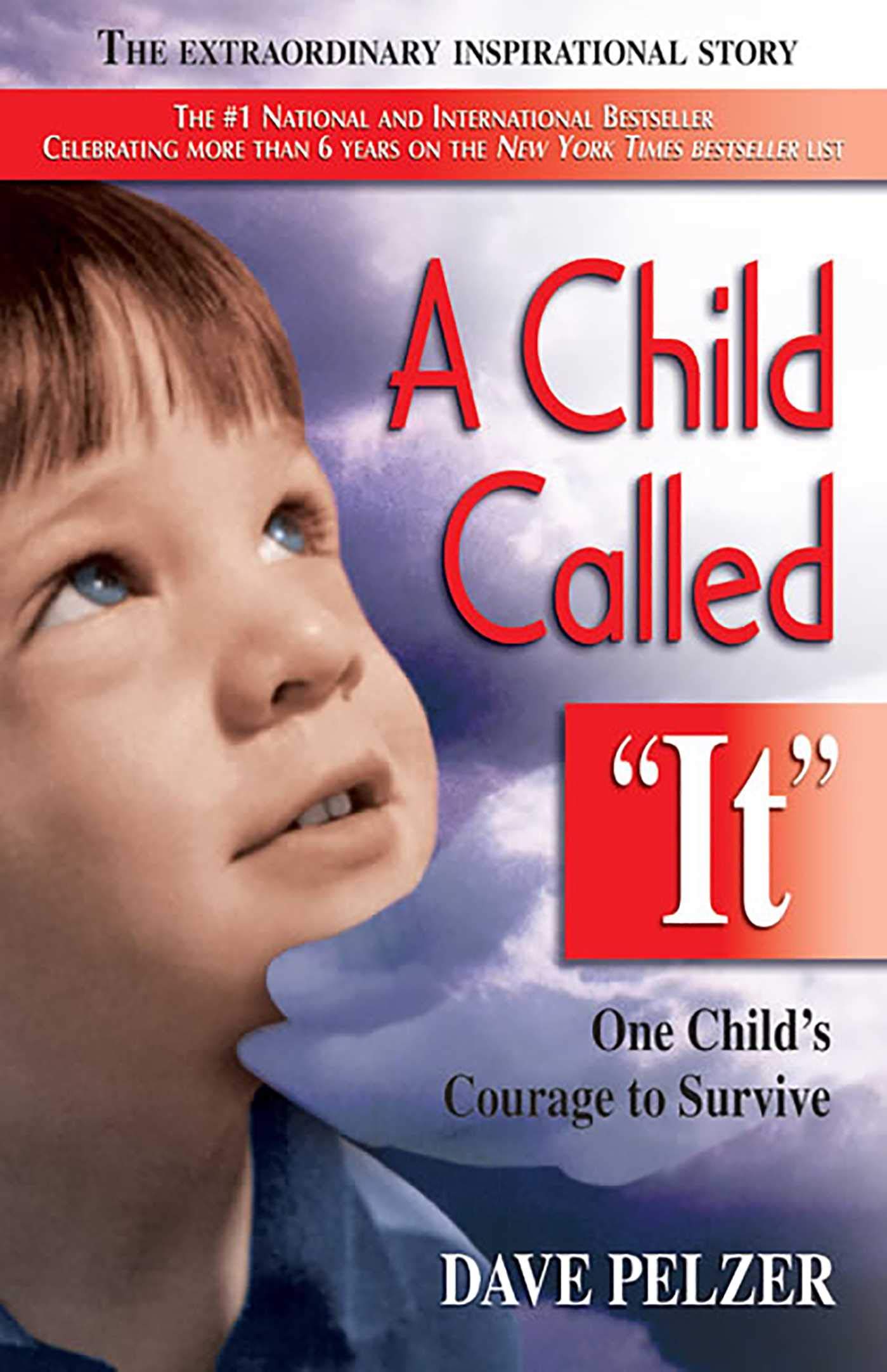


These were some books/series I really enjoyed reading growing up. Did anyone else read these books?
So, when we think about critical literacy and texts that matter, we know that they HAVE to be implemented in our classrooms, and they have to be meaningful. If the students don't fully get it - that's okay. As long as they get something from it, then they learned something. You can always try again with another lesson, another type of critical literacy that might help them better understand. What we can't do is continue to teach for the test. That literally has not and will not get you anywhere. When learning is meaningful and enjoyable, it becomes easy, suddenly more and more of your students are engaged, they are asking each other the critical questions.
Critical literacy: Children as change makers in their worlds
This is a 7 minute video that talks about critical literacy, and includes the students' points of view.
And in the end, that is what we want ~ to help shape the lives of young minds that will one day be our future, one day change the world.

Questions:
- How will critical literacy look in your future classroom? Provide an example or two of what it may look like in a lesson you're teaching ~ think about subjects like math, science, history.
- What did you think about Use the text to teach the text? Will this be something you might implement in your class?
- "All of the teachers reported how difficult it was to know how to respond when they overheard disparaging remarks made by students to peers" - What are some ways you can address these difficult questions or remarks? What would you say? What would you do?


Great post! For me, I know that in elementary school I was not exposed to "critical literacy," and I definitely want to change that for my future students. I come from a small, rural town in central Indiana where there was little to no diversity in my school. I think that I got most of my experience with people that didn't look like me was from church and friends. However, I really wish that I was given the opportunity to talk about these hard-hitting topics with my elementary teachers and classmates because I think that it would change some people's minds on some things. To answer your last question with responding to students that make difficult remarks or ask hard to answer questions, I think the first thing to always say to a student is "your opinion is valued and matters, however, we need to be respectful." I think that these kind of harsh remarks come from not truly understanding something, therefore, if we as future teachers use text to help further explain these critical literacy topics we will make our students more well-rounded. Having critical literacy texts available for students to read allows them to see a more "real-life" example of a social justice issue.
ReplyDeleteAubrey,
DeleteI think we have a very similar experience when it comes to critical literacy, and how we were/were not exposed to it. I also grew up in a rural town, with little diversity. I don't know (don't remember ~ therefore I had no connection with it) of any books we read as a whole class that talked about these issues. I definitely wish we would have talked about some big issues, especially as they were happening in my early adolescent life. I think it would have made me later school experiences in middle and high school very different. I loved that you said FIRST "Your opinion is valued and matters" because whether we agree or not, we value each other IN THIS classroom. Of course, paying our respects. I definitely think these questions would not happen often if you have critical literacy and are meaningfully implementing it!
Great blog! I love the meme of Leonardo DiCaprio because I truly think that captures the theme of these articles and critical literacy in general.The quote "All of the teachers reported how difficult it was to know how to respond when they overheard disparaging remarks made by students to peers" honestly makes me a little angry. I think it is understandable to be nervous or not a 100% confident when it comes to addressing disparaging remarks but to find it difficult to address them in general is not okay. We as future educators have a role when it comes to create a classroom that allows everyone to feel valued and empowered and in order to do that we need to address disparaging remarks. I think honestly just stopping and asking the student what they meant by that statement is the best way to start the conversation after a remark is made. It is always good to remind the student that "we dont talk like that in our classroom because blah blah blah" but the student may not have meant the remark in the exact way he/she said it and allowing them to explain could help the situation. I would also pose questions after the remark was made to make them think of the other persons perspective and make them critically think about what they said. We could also discuss how words can have a heavier meaning and hurt others feelings and use this opportunity to practice our listening and understanding skills. I DONT think it would be correct to ridicule the student if they made a negative remark because this could cause them to shut down and the best way to understand one another is to have a discussion about it and educate ourselves.
ReplyDeleteDani,
DeleteI agree with your answer about what we should say when we hear disparaging remarks. We definitely can't just let it go, but we want to clarify with the students what they meant. Language has such HUGE diversity, and we can easily misinterpret what someone was trying to say. Often times, I feel like what I was thinking about wanting to say, did not come out how I would have liked. I get mixed up with my words, too! Posing those questions is going to lead to DEEPER thinking of the problem. it's going to allow them to see from multiple viewpoints, besides just their own. I love what you said about not to correct to ridicule, because some students may not understand at all why it is wrong. I definitely have had that experience too.. (said something inappropriate and got in trouble for it, but did not know it was inappropriate because my family members used it this way). So we can definitely encourage understanding with posing those critical questions, get them digging deeper as to why they think this way.
I love your blog and use of memes. Everything flowed well, your outlook on teaching is spectacular in the way we need more teachers to implement these kinds of curiculums in the classroom. After not having ciritcal literacy in my classrooms I often found myself checked out and not wanting to participate in class. I think bringing these topics into the classroom develops a safe space for the kids and they are open to tell you more about themselves than you would have imagined. When asked, "All of the teachers reported how difficult it was to know how to respond when they overheard disparaging remarks made by students to peers" - What are some ways you can address these difficult questions or remarks? What would you say? What would you do?" In that situation i think it would be best to ask them what exactly they meant by this remark and see both sides of the situation. maybe propse other questions to continue the childs thinkng and have them reflect further on what was said. depending on the age group is how to best handle the situation but by being open and not making it a point to single students out in a way is best to avoid it. when ignorant comments are made they are usually done so unconsciously. I like how you said "If the students don't fully get it - that's okay. As long as they get something from it, then they learned something." because teaching is all about trying again and learning from one another. if they didnt take away what you wanted them to from the lesson dont beat yourself up over it, they understood one thing at least and theres always another setting to reapproach the topic.
ReplyDeleteBailee,
DeleteThank you for your kind words! What you said about "depending on the age group is how to best handle the situation but by being open and not making it a point to single students out in a way is best to avoid it" - I am with you! We want to be appropriate when thinking about our students, and definitely using what we know about them to scaffold them into deeper thinking. It can definitely feel embarrassing and humiliating to be singled out, and that is something I hated as a kid. I definitely think we have to reframe from our "natural instincts" of what we would say in those stressful situations, and really stop, and think about how to respond. In this way, we are modeling what we want our students to do!
Also, all too often I think we can beat ourselves up about thinking that our students didn't get what we expected them to. That becomes a evaluation for ourselves, too. Then asking questions such as: What exactly were we expecting them to get? Why do I think they did not understand? How can I modify this or do it differently next time?
If we want our students to be critical learners, we have to model that for them!
This comment has been removed by the author.
ReplyDeleteGreat blog!
ReplyDeleteI want to talk about your last question for a moment. The one about how some teachers find it difficult to respond to students when they overhear disparaging remarks.
I think it's always important to acknowledge when something is said that shouldn't be said, or that needs clarification. Because honestly, somethings it is just something that should be clarified. Especially with our students who may have heard something and is saying it out of context. They may not know what they said is wrong. I would start off with asking if they knew what they said meant and explain and have a conversation with them about what it means and why it shouldn't be said.
I am a firm believer that we should talk to children the way we talk to each other. That is what helps them grow and learn. If we always treat children like children, they will grow up to have small mindsets.
When we read critical texts it also gives an extra insight into these things and gives children a direct insight into these things and helps them grow as people, and within their literature exposure.
Mara,
DeleteI think it's also important to have open and clear communication with children (our students). What would you do if you had a parent who did not want you to talk about certain subjects with their child? For instance, maybe they don't want you to talk about guns and gun control. Hypothetically you feel that this is a critical literacy that you really want to hit base on. How would you go about that? Would you teach it anyway? Would you teach it differently for that one student? Would you just not teach it at all?
When I'm thinking about this, I'm thinking about how you told you address certain topics with Keely, so I'm wondering what you would do if you had a parent who did not want it to be addressed in that way? (Such as the person who said they have not addressed certain topics with their daughter yet and don't want Keely to talk about it so much with her).
That's a hard question. If I had the support of my school I would defiantly still teach it. I would probably try to have a conversation with that parent about why I think it's important, but also I would want to hear about their concerns with their child hearing it as well. I would want the parent to feel validated so that they would be more inclined to hear me out as well.
DeleteWhen it came to her knowing stuff that another parent did not I just told her it was okay that she knew it but the other person did not know it and that Keyli probably was not the best person to teach her those things. I made sure that she knew she was not in trouble at all though.
As I was reading through your blog and the comments above, I realized that I may have had a different experience in my classes with critical literacy. Although I don't remember critical literacy being incorporated into my classes in elementary school, I'm reminded of a teacher I had in high school who was fantastic at teaching us how to examine literature critically. She was very intentional about every piece of literature that she had us read, and would spend up to an entire class period discussing the underlying themes in the book with us if necessary. We would talk about how the novels we read related to the world we were living in and how we could use those books to stand in others' shoes, so most of the papers that we wrote in her class would have to do with these critical analyses of the books we were reading in class. She really opened my eyes up to a way of critical thinking that I had never practiced on my own. It's interesting how this isn't just a topic designated for "older minds"- children are just as capable of understanding the social issues within a book if they are just exposed. In fact, as you said in your blog, examining text in this way can create more meaningful connections for kids too.
ReplyDeleteIn my classroom, I would like to explore how we can take this concept and apply it to not only reading, but also different subject areas so that kids can see that it is important to examine everything they are exposed to with a critical lens. For example, students can be shown how to examine scientific findings through multiple sources, how to break down the hard truth of our nation's history through historic literacy, etc. One way of doing this is to avoid using the textbook as the sole source of information. Students need to see that sometimes there is another side to the story that is worth learning about.
Samantha,
DeleteI absolutely love that! It is so cool that you had a teacher that showed you how to examine literature critically. Obviously this person seems to have stuck with you and made an impact, which is what it is all about. Going off what you said about not always using the textbook as the sole source of information, I agree with you. I have seen how boring it is for students to just fill in the blanks, or mindlessly read the textbook. I feel like it can be a big part of the standard curriculum in a lot of schools though, how would you get around that? I feel like I'll only want to use the textbook as a reference here and there, not everyday. I see a lot of teachers who use it everyday and wonder if it is something they are required to do. What're your thoughts about this?